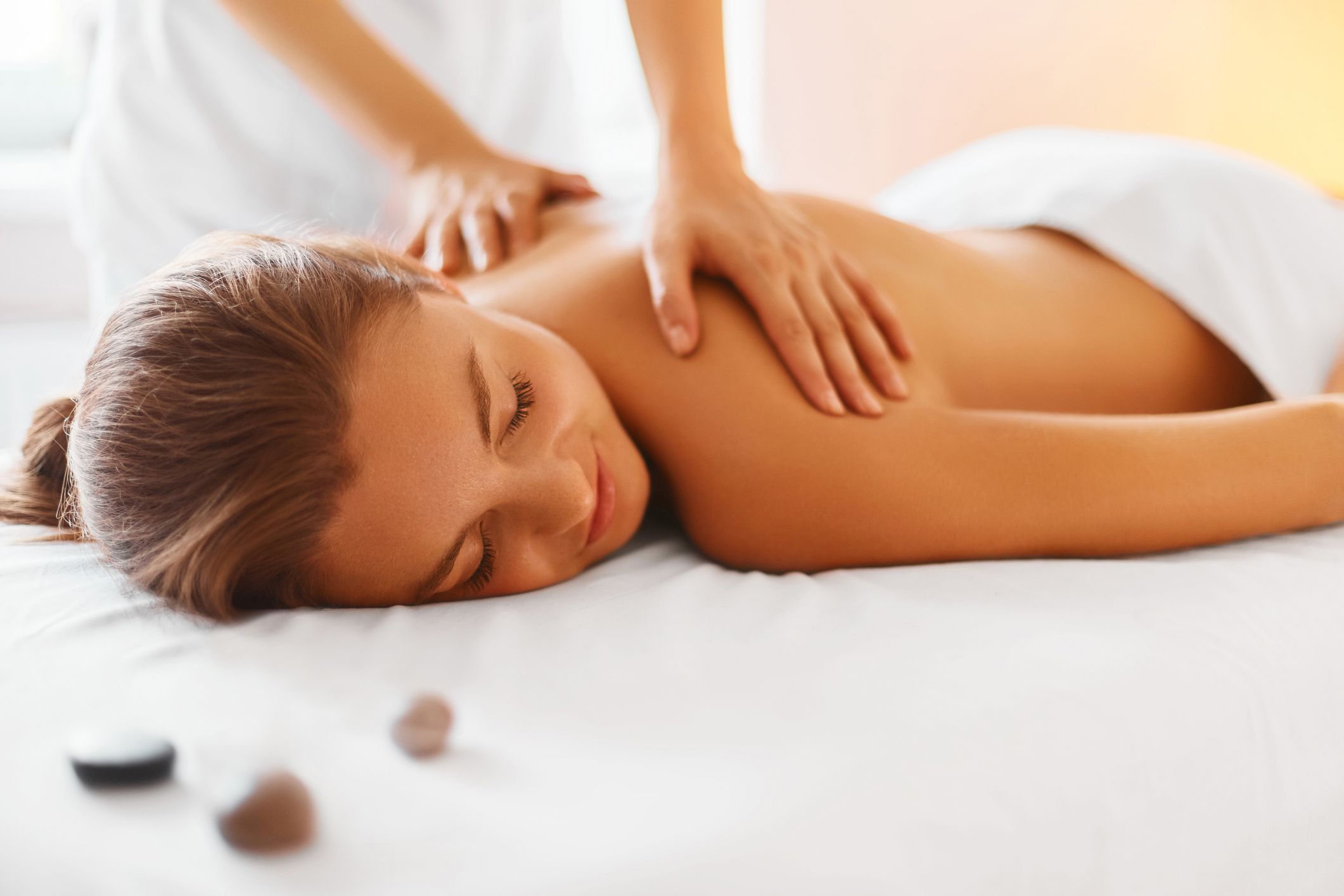
Massage is one of the oldest and most universal forms of healing known to humanity. Across cultures and centuries, hands have been used to soothe pain, relieve tension, and restore a sense of wellbeing. From the traditional Chinese practice of tui na to Indian ayurvedic massage, from Swedish therapeutic techniques to Thai stretching routines mann zu mann massage , the impulse to heal through touch appears to be deeply embedded in human nature. Today, massage therapy has evolved into a respected profession with rigorous training standards, scientific backing, and a remarkable diversity of styles suited to different needs and preferences.
The fundamental mechanism behind massage is both simple and profound. When skilled hands apply pressure to muscles and soft tissues, they stimulate blood flow, encourage the release of tension, and trigger the parasympathetic nervous system—the body’s rest-and-digest response. This shift from fight-or-flight to calm-and-connect can lower heart rate, reduce cortisol levels, and promote a sense of relaxation that extends well beyond the treatment room. Research has increasingly confirmed what practitioners have known for millennia: massage is not merely a luxury but a legitimate therapeutic intervention with measurable physiological effects.
One of the most common reasons people seek massage is musculoskeletal pain. Whether from poor posture at a desk, repetitive strain, injury, or chronic conditions like arthritis, muscle and joint discomfort affects millions of people worldwide. Therapeutic massage can help break the cycle of tension and pain by releasing trigger points, improving circulation to tight tissues, and restoring range of motion. Many physical therapists and chiropractors now work alongside massage therapists as part of integrated treatment plans, recognizing that manual therapy complements other modalities in addressing pain comprehensively.
Stress and anxiety represent another major area where massage demonstrates its value. In a world increasingly characterized by digital overload and constant stimulation, the simple experience of being touched with care and intention can be profoundly grounding. Studies have shown that regular massage can reduce symptoms of anxiety and depression, improve sleep quality, and enhance overall mood. For people dealing with high-pressure jobs or significant life transitions, massage offers a structured space for pause and recovery that many find invaluable for maintaining mental equilibrium.
The variety of massage styles available today means there is likely a modality suited to nearly every preference and need. Swedish massage remains the most familiar, using long, flowing strokes and kneading to promote relaxation and circulation. Deep tissue massage targets the deeper layers of muscle and connective tissue, making it useful for chronic tension and injury recovery. Sports massage focuses on performance and recovery for athletes. Hot stone massage uses heated stones to melt away tension. Aromatherapy massage incorporates essential oils for added sensory benefit. Thai massage combines stretching and acupressure in a fully clothed session. Each style has its own philosophy and techniques, and many therapists blend approaches to suit individual clients.
For those new to massage, a few practical considerations can enhance the experience. Communicating with your therapist about your goals, comfort level, and any areas of concern is essential—massage should never feel painful or uncomfortable beyond a tolerable therapeutic pressure. Punctuality matters, as arriving rushed can make it difficult to relax. Hydration before and after helps the body process the release of metabolic waste that massage can mobilize. It is also worth noting that massage is not a substitute for medical diagnosis or treatment; persistent pain or unusual symptoms should be evaluated by a healthcare professional.
The accessibility of massage has expanded considerably in recent years. Beyond spas and clinics, massage is now offered in workplaces, airports, hospitals, and community centers. Chair massage provides quick, focused sessions for office workers and event attendees. Mobile massage services bring trained therapists to homes and hotels. This diversification reflects a growing recognition that therapeutic touch is not a luxury reserved for special occasions but a valuable component of ongoing self-care. Many people now incorporate massage into their regular wellness routines alongside exercise, proper nutrition, and adequate sleep.
For anyone considering massage for the first time, the advice from experienced practitioners is consistent: start with a reputable therapist, be honest about your needs and boundaries, and allow yourself to receive without judgment. The healing power of touch is ancient and enduring, and in the hands of a skilled professional, it can be a transformative experience. Whether you seek relief from physical pain, a moment of calm in a busy life, or simply the pleasure of being cared for, massage offers a pathway to feeling more at home in your own body. It is, in the truest sense, a practice that honors the connection between body and mind.